'%20/%3e%3ccircle%20cx='427'%20cy='150'%20r='426.5'%20stroke='white'%20/%3e%3ccircle%20cx='435'%20cy='251'%20r='426.5'%20stroke='white'%20/%3e%3cdefs%3e%3clinearGradient%20id='paint0_linear_2073_57'%20x1='165.5'%20y1='-156'%20x2='624'%20y2='669.5'%20gradientUnits='userSpaceOnUse'%3e%3cstop%20stop-color='%230692FC'%20/%3e%3cstop%20offset='1'%20stop-color='%231276F9'%20/%3e%3c/linearGradient%3e%3c/defs%3e%3c/svg%3e)
Digitalisation is an inevitable process in the post-industrial era, when correct and promptly made decisions based on full and reliable information eventually lead to exercising the vital functions of any modern state. For such a state to exist and operate effectively its parts or the body in full shall be digitalised and then empowered by the necessary high-end infrastructure and tailor-made software and hardware toolkits.
Digitalisation has a wide range of implications for taxation, impacting tax policy and tax administration at both the domestic and international level, offering new tools and introducing new challenges. As a result, the tax policy implications of digitalisation have been at the centre of the recent global debate over whether or not the international tax rules continue to be ‘fit for purpose’ in an increasingly changing environment.
For citizens in countries around the world, paying taxes is among their most challenging and time-consuming interactions with the government. For many governments, enhancing tax compliance and collecting sufficient revenue have been a matter of necessity to finance public goods and services. That is why tax administrations are undertaking the digital transformation and automation of their systems. The adoption of technology can enable successful and sustainable tax reforms, ensure the proper taxation of the digital economy, and reduce the obstacles to compliance.
Digital transformation is also being driven by the rapid growth of e-commerce, which is projected to expand 24% from 2020 to 2025, making it an increasingly important part of the tax base.
There was an increase in VAT paid by the covered businesses of around 15% compared to the previous year.
The first nine months after the introduction of the OCR system saw an increase in revenue equivalent to seven times the total Government costs of introducing OCRs.
Overall, these increases led to an additional around EUR 900 million in VAT collected in comparison with 2013. Out of that the Ministry of National Economy estimates that around EUR 580-612 million is attributable to the impact of the introduction of the OCR system.
The VAT gap in Hungary fell from 20.9% in 2013 to 13.7% in 2015 according to a European Commission report.
The estimated revenue from the gradual introduction of e-Kasa in 2019 is approximately EUR 72 million, rising to EUR 117 million in 2020 and to over EUR 120 million thereafter.
The introduction of e-Kasa is expected to reduce the VAT tax gap in the hotel's, restaurant and catering sectors and in the retail and service sector by 15%.
The total estimated budget costs for the Financial Administration for the implementation of e-Kasa is approximately EUR 18 million.
RESULTS OF THE VIRTUAL CASH REGISTER (VCR) IMPLEMENTATION IN SLOVAKIA
Registered VCRs: 39 688 Login information sent: 39437 VCRs used/activated: 30 885 VCRs deactivated: 3 085 Valid cash receipt issued: 10 841 154 Value of issued cash receipts: EUR 719 667 639Total amount of VAT contained in the cash receipts:EUR 13 511 164
to look a lot different in the future:
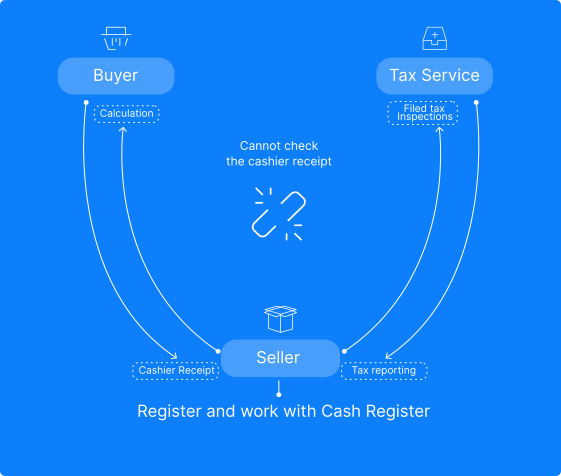
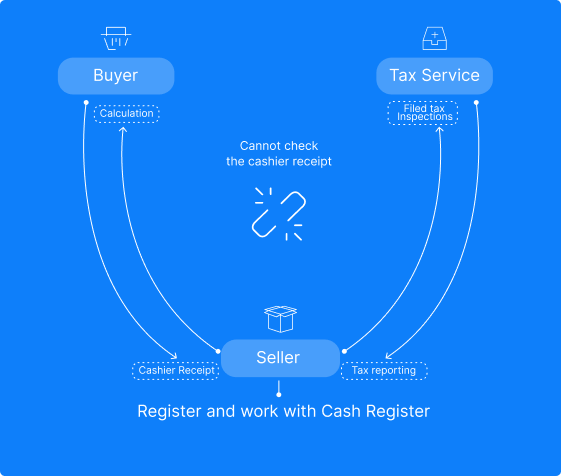
Instead of storing huge amounts of taxpayer data, administrations will have access to encrypted, distributed ledgers that allow them to capture tax information seamlessly and in real time. This has the added benefit of making tax administrations “less visible” to the public.
The decisions of the tax administrations will increasingly be supported and strengthened by artificial intelligence. But the system will need to be closely monitored for errors.
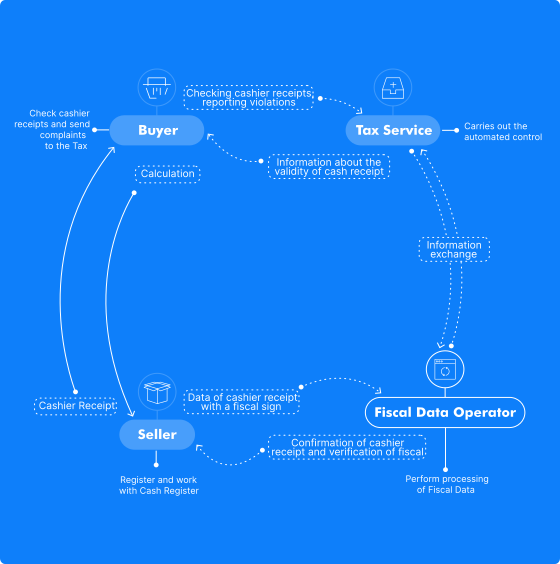
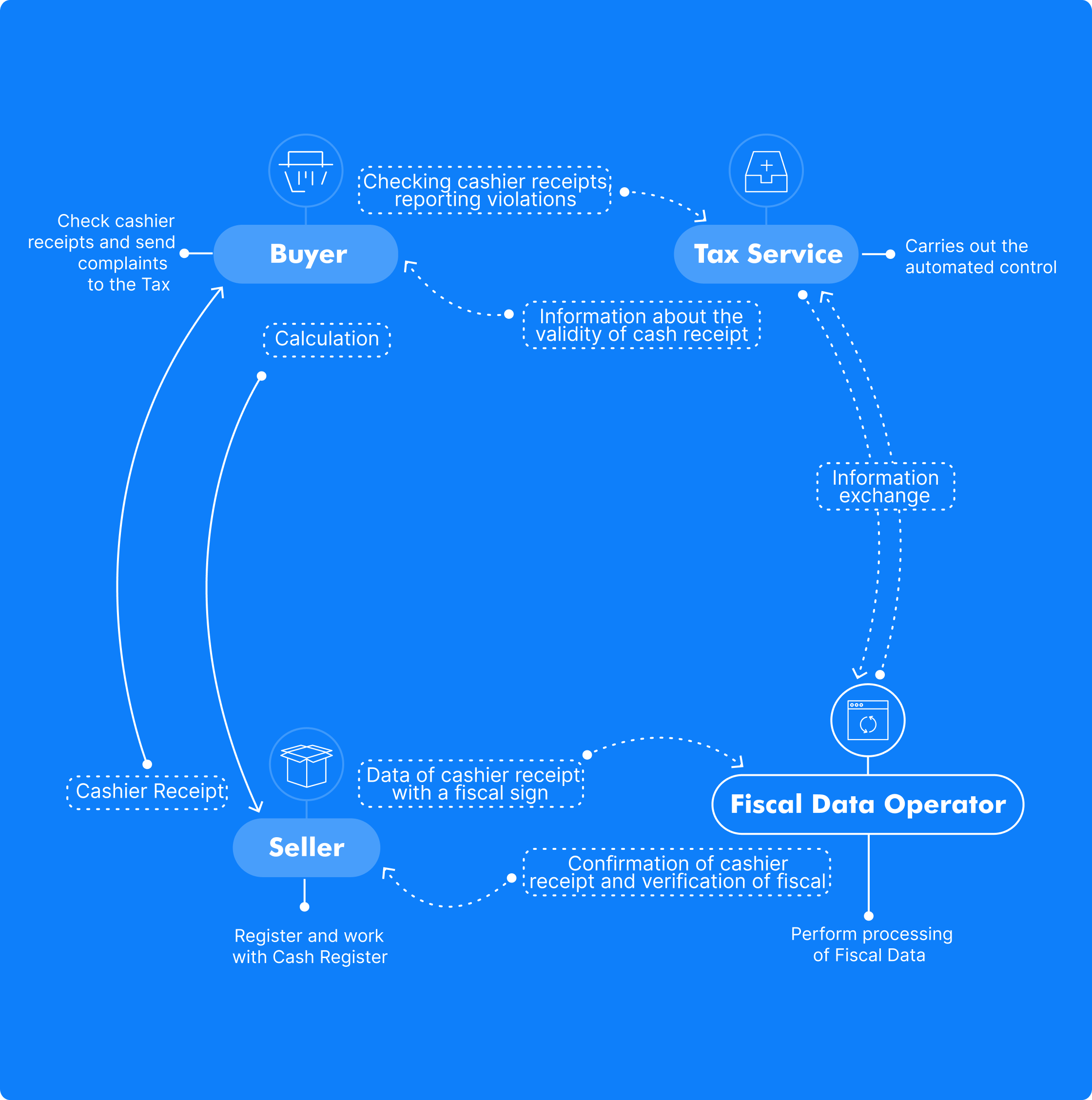
The tax system could become much more user-friendly. Services could include prefilled tax returns, taxpayers’ access to their own filing information, the sharing of data with banks to expedite credit approval, along with privacy preserving queries on the tax file by researchers and local communities.
Tax administrations could become warehouses for more and more government data. That will give them a central role in the formulation of economic policy, enabling policymakers to review transactions in the economy and allowing better forecasting.
Tax administrations will streamline theinterface between taxpayers and tax officials, for instance by connecting corporate accounting systems with the tax administrations’ e-filing and e-payment platforms.